
Mobile Windscreen ADAS Calibration Melbourne
If your vehicle has a forward-facing windscreen camera, replacing the glass can also require camera recalibration. Legacy Autoglass checks your vehicle’s requirements and includes the necessary calibration in the replacement process, following the applicable manufacturer procedure. We provide a calibration report on completion for your records.
What is ADAS?
ADAS stands for Advanced Driver Assistance Systems. These systems use cameras, radar and other sensors to help drivers recognise hazards and assist with certain driving tasks.
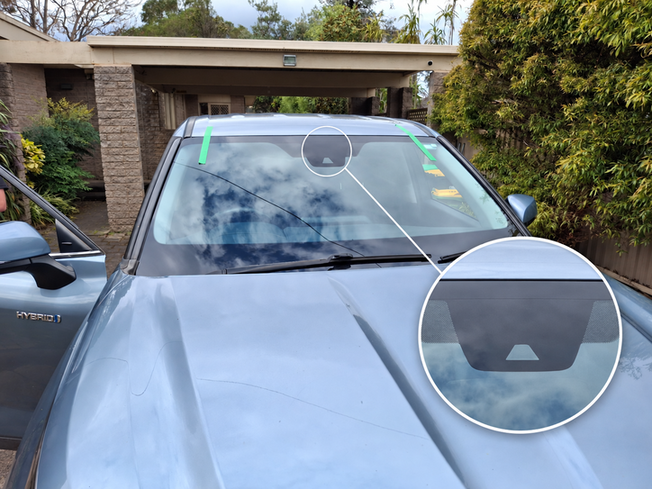
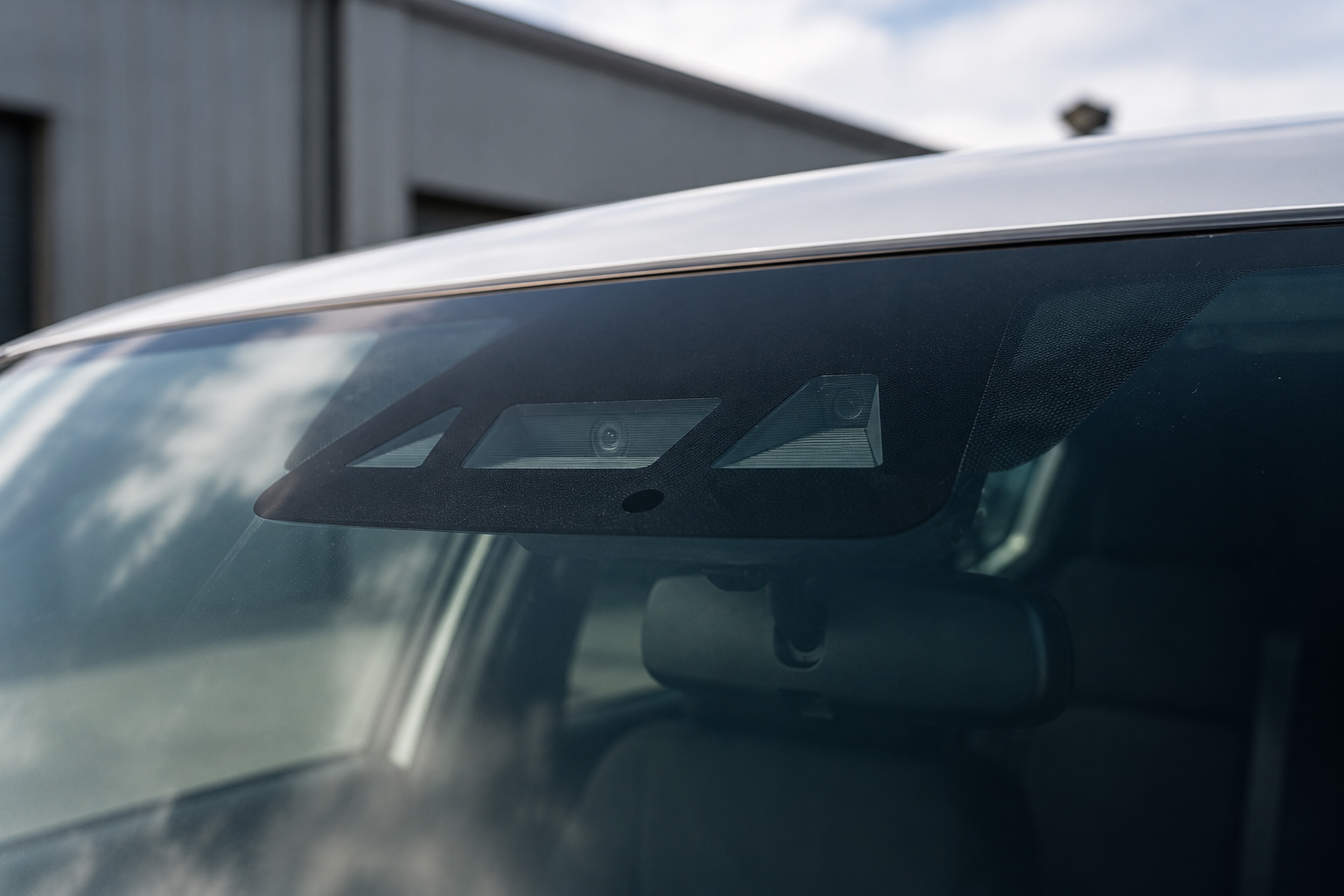
On many vehicles, a forward-facing camera sits near the top of the windscreen, often behind the rear-view mirror. Depending on the vehicle, this camera can support several safety features, sometimes working alongside sensors elsewhere on the car.
Features vary by make, model, year and trim, and can include:
- Lane Departure Warning: Alerts the driver when the system detects an unintended departure from the lane.
- Lane Keep Assist (LKA): Provides steering assistance to help the vehicle remain in its lane.
- Autonomous Emergency Braking (AEB): Can automatically apply the brakes when a potential collision is detected, helping avoid the collision or reduce its severity.
- Adaptive Cruise Control (ACC): Adjusts the vehicle's speed to help maintain a selected following distance from traffic ahead.
- Traffic Sign and Speed Limit Recognition: Recognises supported road signs and displays information to the driver.
These features operate within particular conditions and limitations. They assist the driver, who must remain attentive and in control of the vehicle.
Why Calibration Matters After a Windscreen Replacement
A windscreen camera depends on its positioning and its view through the glass to interpret the road ahead. Replacing the windscreen can involve removing and refitting the camera, and changes the glass through which it sees.
Where the manufacturer specifies calibration after replacement, it is an essential part of completing the job. The correct procedure establishes the camera system's reference settings according to the vehicle's requirements.
The absence of a dashboard warning does not confirm that calibration is unnecessary. We check the applicable vehicle requirements rather than relying on warning lights or whether the car appears to drive normally.
How Incorrect Calibration Can Affect Driver Assistance
An incorrectly calibrated camera can affect the information used by the vehicle's driver assistance systems. Depending on the vehicle and systems fitted, this can affect:
- Emergency Braking and Collision Warnings: How the system identifies hazards and determines when to warn the driver or provide braking assistance.
- Lane Departure Warning and Lane Keep Assist: How the system interprets lane markings and provides warnings or steering support.
- Adaptive Cruise Control: How a system that uses camera information detects and tracks traffic ahead.
Following the manufacturer's calibration procedure helps ensure the relevant system operates within its specified requirements.
Calibration Records and Insurance
When calibration is completed, we provide a report documenting the result. This gives you a record of the work performed to retain with your vehicle's service and repair history.
Insurers may request evidence of calibration following a windscreen replacement. Cover and documentation requirements depend on your policy and claim, so check with your insurer if you are unsure what they require.
Comparing Quotes? Check What Is Included
When comparing windscreen replacement quotes, check whether they include the calibration required for your vehicle. A quote for the glass replacement alone may not include every part of the work needed.
Ask whether the price covers the applicable diagnostic checks, required calibration and a calibration report. We confirm your vehicle's requirements upfront so you understand what is included before booking.
Static vs. Dynamic ADAS Calibration
The calibration method is determined by the vehicle manufacturer's procedure. Depending on the vehicle and system, static calibration, dynamic calibration or a combination of both may be required.
Static Calibration
Performed while the vehicle is stationary, using specialist targets and measuring equipment positioned according to the manufacturer's specifications. The procedure allows the camera system to establish its reference settings. Vehicle preparation, target positioning and the surrounding work area must meet the requirements for that vehicle.
Dynamic Calibration
Performed during a prescribed road drive under conditions specified by the manufacturer, which can include suitable road markings, visibility and a particular speed range. The technician follows the required procedure, uses diagnostic equipment where specified and confirms successful completion. An ordinary drive after replacement should not be assumed to complete calibration.
We Handle the Full Calibration Process: Before booking your windscreen replacement, we confirm whether your vehicle requires static calibration, dynamic calibration or both, and explain how the work will be completed. Where static calibration is required, this may include us driving your vehicle to a suitable workshop. From windscreen replacement through to calibration, we coordinate and handle the full process for you.
Not Sure If Your Car Has ADAS?
Provide your vehicle's registration, make, model and year when requesting a quote. We check your vehicle's specifications and confirm whether windscreen camera calibration is required before booking you in. We may also ask for your VIN or photographs to help identify the correct glass and equipment.
If calibration is required, we explain whether the procedure is static, dynamic or both, and how it will be completed. We handle the full process, including any necessary workshop arrangements, so you do not need to organise calibration separately.
CALL OUR TEAM FOR HELP: 0423 714 497 →-
No. The requirement depends on your vehicle’s equipment and the manufacturer’s procedure. Where windscreen camera calibration is required, it forms part of completing the replacement properly. We check your vehicle’s requirements and explain what is included before booking you in.
-
The affected driver assistance systems may not operate as intended. Incorrect camera calibration can affect hazard detection, warnings or steering and braking assistance. The absence of a dashboard warning does not confirm that calibration is unnecessary. Required calibration should be completed using the applicable manufacturer procedure, with the result checked and documented.
-
Your owner’s manual can help identify the driver assistance features fitted to your vehicle. A camera near the rear-view mirror is another clue, although a rain sensor in the same area is not an ADAS camera. Send us your registration, make, model and year so we can check your vehicle’s equipment and calibration requirements.
-
Dynamic calibration can be completed as part of a mobile appointment and involves a prescribed road drive under suitable conditions. Static calibration requires a suitable controlled indoor environment and specialist equipment. Before booking, we confirm which method your vehicle needs and explain the arrangements.
-
No. Legacy Autoglass handles the full process, from windscreen replacement through to required calibration. If static calibration is needed, we coordinate the workshop arrangements, which may include us driving your vehicle to a suitable workshop. We explain the process before booking you in.
-
Yes. On completion, we provide a report documenting the calibration result. Keep it with your vehicle’s service and repair records and provide it to your insurer if requested.
Frequently Asked Questions
Ready to Book Your Windscreen Replacement & ADAS Calibration?
Legacy Autoglass provides mobile windscreen replacement across Melbourne, with required ADAS calibration handled as part of the service. Before booking you in, we confirm your vehicle’s calibration requirements and explain the process, including any workshop arrangements needed for static calibration. We take care of the full job, from replacing the glass through to completed calibration.